Planning & Operations
Equipment Rental Planning Starts Before the Delivery Date
A useful rental brief connects the task, site conditions and delivery plan before a machine is selected.
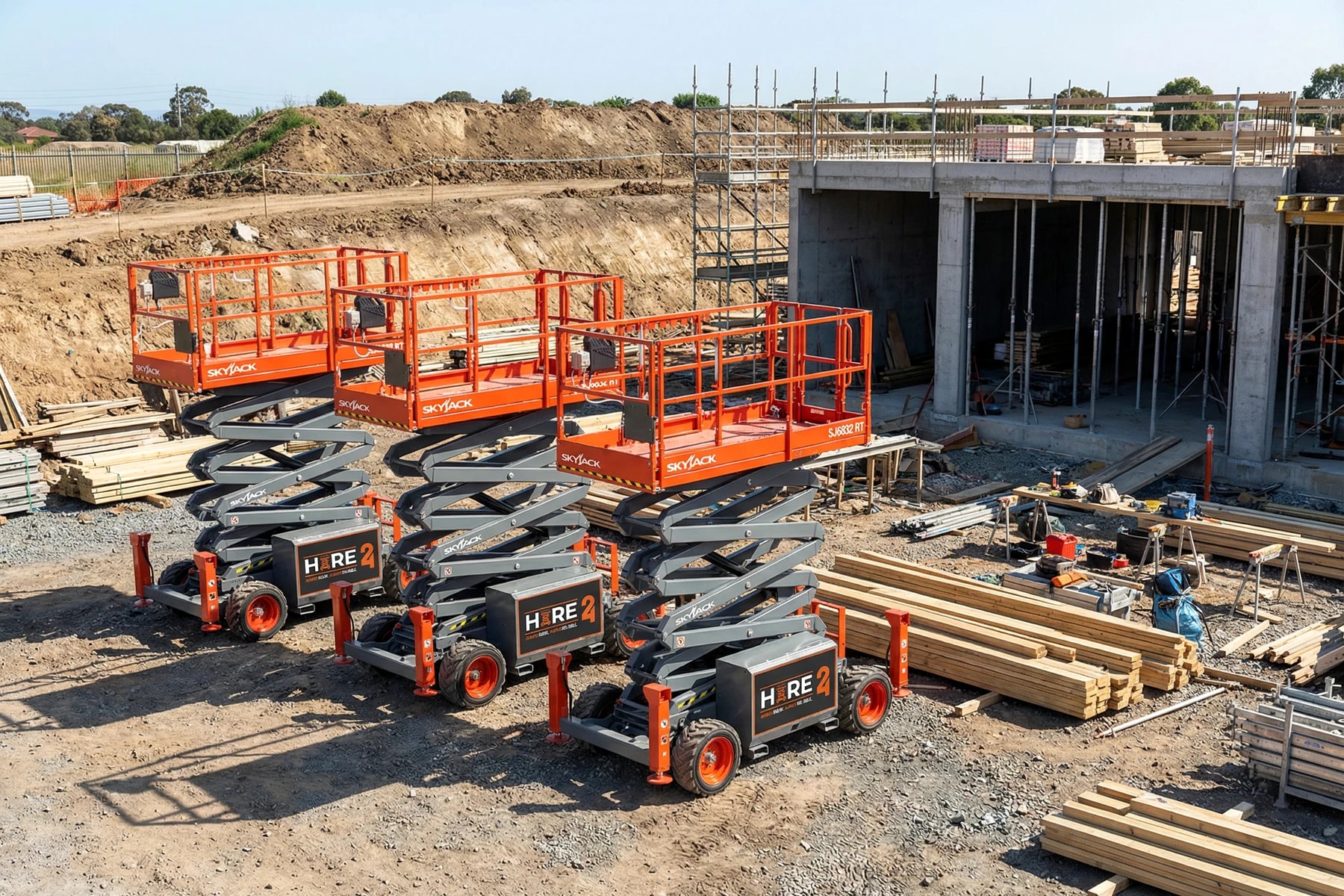
Equipment can arrive on time and still be wrong for the job. A lift may reach the required height but not the work across an obstruction. A forklift may have an attractive nominal capacity but not suit the load and handling arrangement. A delivery truck may reach the address and find no agreed place to unload.
The solution begins before the rental order. Give the provider a description of the task, the route to the work and the conditions in which the equipment will be used. Procurement, the site team and the people doing the work should agree on that brief. A model number is useful only after those requirements are understood.
Define the task before selecting the machine
For access equipment, distinguish working height from the machine’s platform height, and identify any horizontal reach requirement. Record the people, tools and materials involved. For forklifts, describe the load, its dimensions, the lift height and any proposed attachment. Capacity needs to be checked against the selected configuration, not assumed from a headline rating.
Genie’s aerial-lift rental checklist brings together application, jobsite conditions, capacity and rental duration. The useful lesson is that these decisions interact. A different access route can change the viable machine, while a different machine can change delivery, charging or operating arrangements.
Lifts and forklifts are examples, not the limits of commercial site equipment. Temporary lighting, power equipment and barriers need the same task-led approach. Describe the area to illuminate, the loads requiring power, or the boundary to be established before asking for a specific unit.
Check the entire route and working area
Measure the narrow points between unloading and use, including doors, turns and overhead obstructions. An open floor plan does not establish that the machine can enter the building. Consider the stowed dimensions and the space needed to move or set up, not only the size of the work platform.
Surface conditions also belong in the brief. Identify slopes, changes in level and areas where the supporting surface has not been verified. The rental provider and appropriate site specialists should assess the selected equipment against those conditions. A description such as “rough terrain” is not permission to use a machine on any surface or slope.
Indoors, discuss noise, emissions and operating restrictions. Outdoors, discuss exposure and the model’s operating limits. Keep temporary barriers and staging arrangements clear of the route the equipment will need. If the work area is shared with normal operations, agree how that interface will be managed before delivery.
Plan power, charging and supporting items
An electric machine needs a suitable charging arrangement and time in the work schedule to use it. Confirm the supplied charger and required connection for the actual unit. Do not assume a convenient wall outlet or an improvised extension arrangement will suit every machine.
Genie’s published battery information identifies batteries against particular model families. For procurement, that illustrates why supporting components should be confirmed with the equipment rather than treated as interchangeable accessories. The same principle applies to attachments, cables and distribution equipment.
For temporary power, provide the connected equipment and its requirements to a qualified supplier. For lighting, describe the work area and intended operating periods. Record who is responsible for setup, connection and operator familiarization. These are coordination decisions; the rental delivery itself does not settle them.
Agree delivery, substitutions and pickup
United Rentals discussed availability visibility and substitutions in May 2024. Its account is a useful reminder that a requested date and an available machine are separate questions. A substitute should be checked against the job requirements, even if it appears similar or larger.
Before confirming the order, agree:
- The delivery window, site contact and permitted unloading location.
- The access route, staging area and any restrictions on vehicle size or arrival time.
- Which accessories and supporting items are included, and who will receive them.
- How proposed substitutions will be approved against the original task.
- The pickup request process, collection access and responsibility at the end of the rental.
Revisit the plan if the project sequence changes. A machine retained for an extra phase may occupy the staging space needed by another delivery. Keep the equipment schedule connected to the work schedule rather than treating rental dates as a separate purchasing record.
Grove can help source and coordinate a broad range of commercial site equipment, subject to requirements and availability, alongside temporary site services. Equipment is sourced to suit the project, with availability confirmed through suppliers. Send Grove the task, location and planned dates so the request starts with the information needed to identify suitable options.