Industry News
Sunrise 2027: What the Barcode Transition Means for Receiving Teams
The retail barcode transition raises useful receiving questions, but it is not a requirement to replace every warehouse location label.
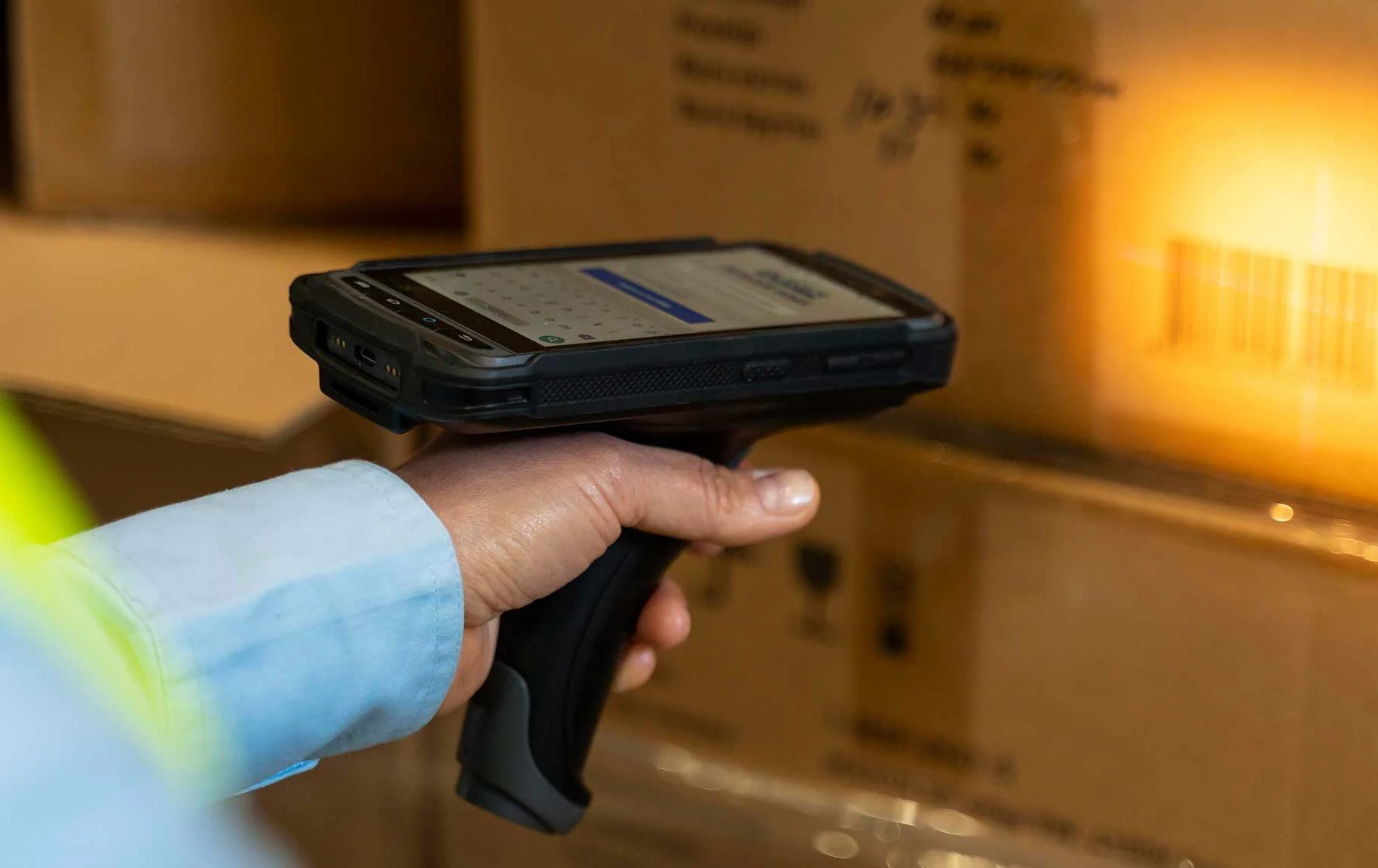
A carton arrives with a familiar linear barcode and a square code beside it. The scanner beeps when it sees either one. Does that mean the receiving process is ready for the transition to richer product data? Not necessarily. Capturing a symbol and putting its information into the correct business record are separate steps.
For receiving teams, Sunrise 2027 is a reason to ask specific questions about incoming product identification and trading-partner expectations. It is not a reason to order a replacement for every label in the building. Start by separating the product identifiers that arrive with goods from the location identifiers your facility uses to put those goods away.
Understand what the initiative covers
GS1 US describes Sunrise 2027 as an industry initiative supporting retail point-of-sale systems’ ability to read and process 2D barcodes. The focus is retail product identification and the capability of those systems. It is not a blanket government mandate governing all warehouse labels.
The GS1 US point-of-sale getting-started guide also makes clear that EAN/UPC barcodes continue to be supported. The transition should not be summarized as “UPC disappears in 2027.” During implementation, partners need to understand which identifiers and symbols are being supplied and what their own systems are expected to do with them.
Receiving sits upstream of checkout, but packaging decisions can reach the warehouse first. A supplier may introduce an additional symbol while a customer asks for different traceability information. Those are concrete reasons to review the workflow; the date alone does not define the answer for every business.
Decide which data receiving actually needs
GS1’s explanation of 2D barcodes describes the ability to carry more information, including product identifiers and attributes such as batch or lot information and expiration dates. What is available depends on the selected barcode, its syntax and the data actually encoded. A square symbol is not evidence that every desired attribute is present.
Write down what the receiving transaction needs today. It may need a product identifier and quantity, or it may also need lot or date information for a particular workflow. Then establish which information comes from the barcode and which comes from an order, an advance shipment record or another system.
Grove’s practical interpretation is to begin with that data requirement rather than a preferred-looking label. A richer code does not improve a transaction if the application discards the additional fields or records them in the wrong place. Equally, extra data may be unnecessary for a particular receiving task.
Test the device and the complete transaction
Ask the scanner and software providers about the actual devices, firmware, enabled symbologies and data handling in use. An apparently successful read is only the beginning of the test. Confirm what the application receives, how it identifies the item and whether the expected attributes reach the intended record.
Use representative supplier samples rather than a single clean demonstration code. Test the packaging as it arrives, including multiple symbols on one face, different print sizes and ordinary handling wear. Establish how the operator selects the intended code when both a product barcode and another identifier are visible.
Include the exception path. What happens if a code reads but the item is unknown? What happens if an expected lot is missing? Who resolves the issue, and how is the receipt held or completed? Those questions belong with the business-system owner and trading partners, not solely with the person choosing the scanner.
Keep location labeling in its own workstream
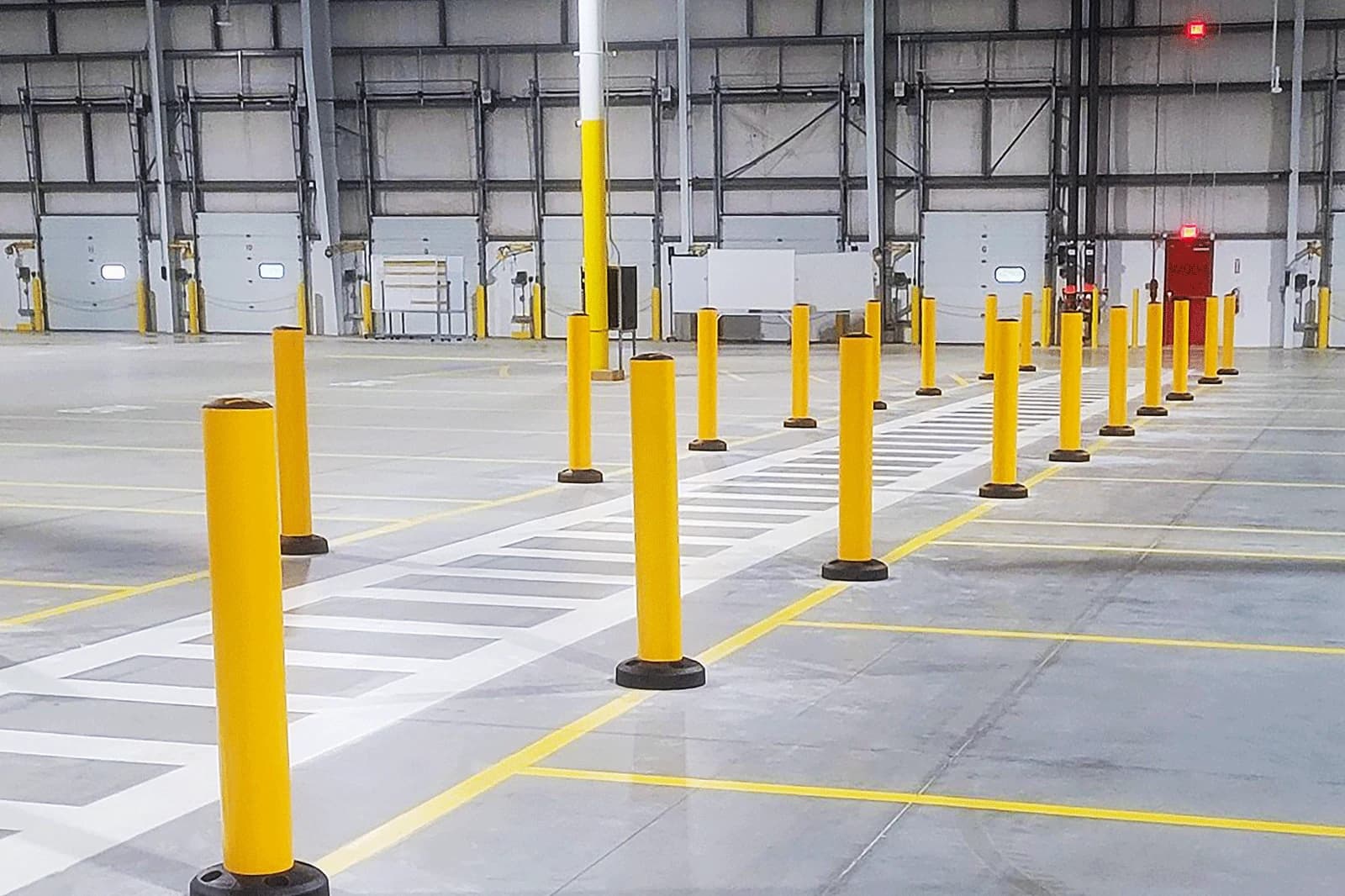
Rack labels, aisle signs and shelf identifiers describe places inside the facility. They do not automatically become obsolete because retail product packaging changes. Replace them when the location scheme, reading conditions or physical layout requires a change, not because every barcode is being treated as the same kind of identifier.
A small pilot can reveal whether a location label is being confused with an incoming product code. If it is, investigate placement, scanning behavior and application logic before changing the whole building. Keep approved location data and the expected receiving transaction available to the people running the pilot.
Grove’s graphics and labeling services can support the physical identification portion of that work. Grove does not develop barcode standards or implement warehouse software. If the review identifies a need for clearer location labels or signs, contact Grove with the formats and placement requirements. That keeps a useful physical improvement connected to a tested process.